Diversified, verifiable carbon programmes designed to meet international standards and deliver attractive risk‑adjusted returns for governments and investors.
Each programme is designed to meet international standards and deliver verifiable carbon credits with attractive risk‑adjusted returns.
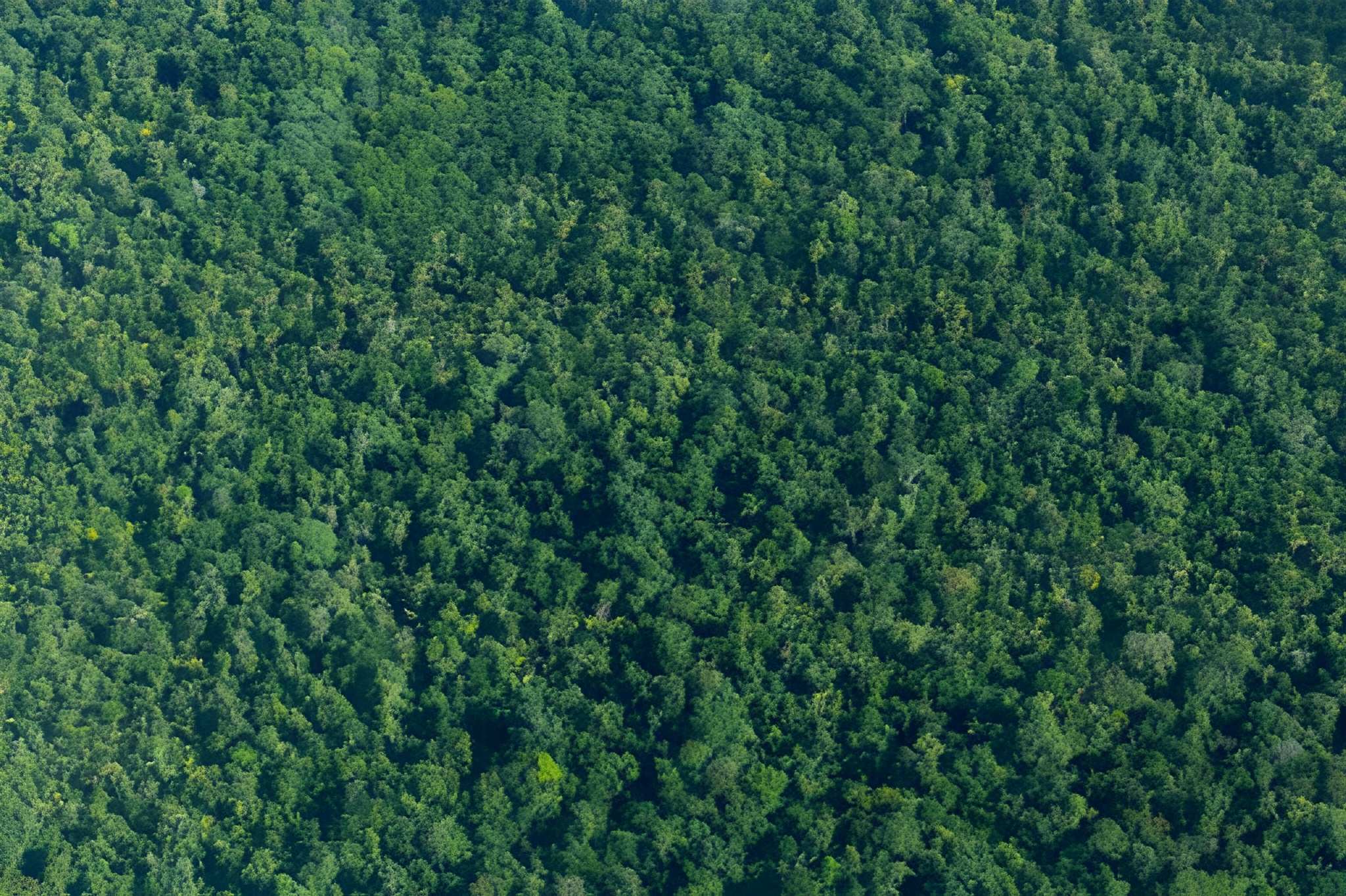 Avoided Deforestation
Protect high‑carbon stock forests from conversion, generating REDD+ credits.
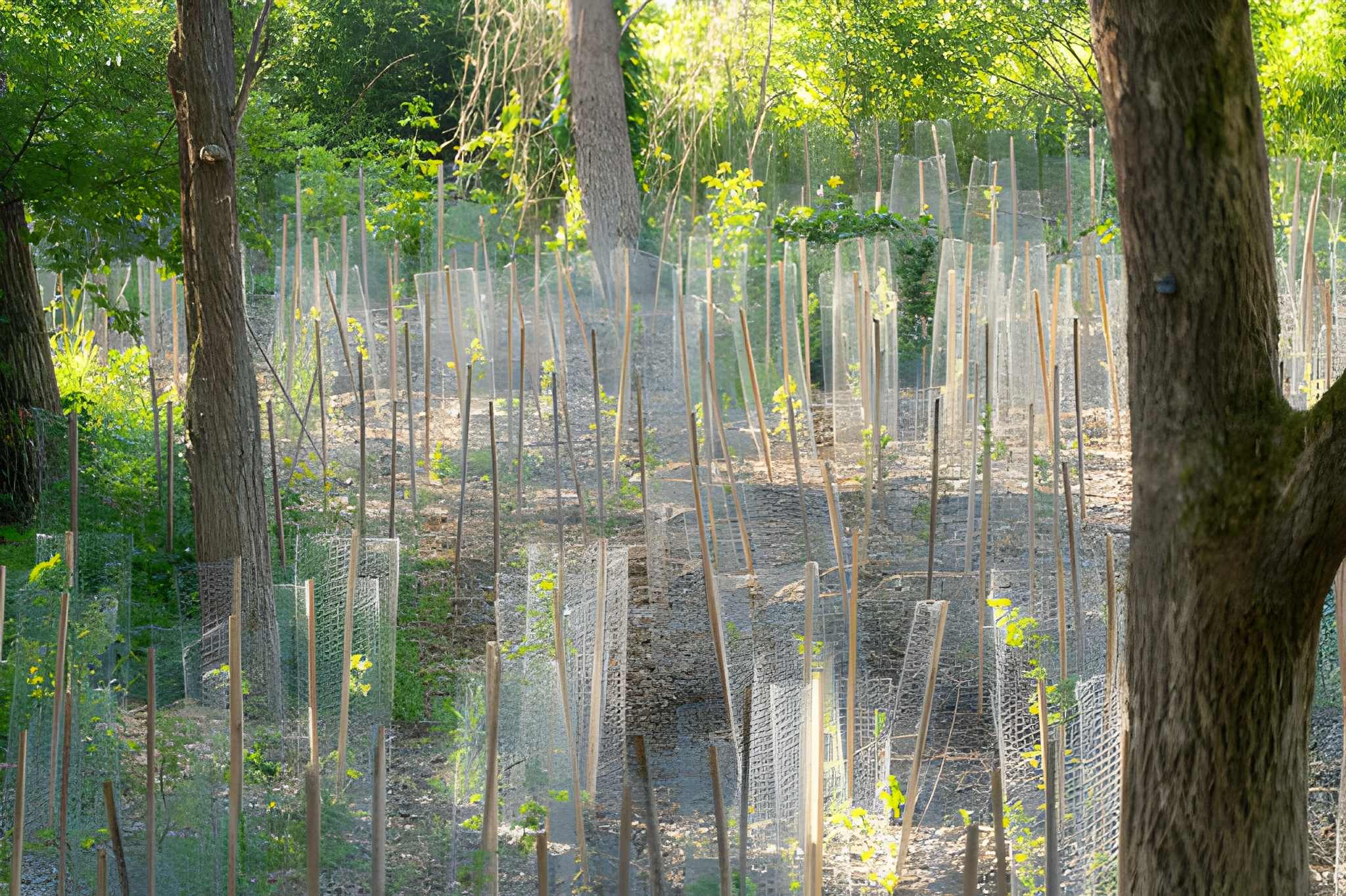 Reforestation & Restoration
Restore degraded lands through native species planting and agroforestry.
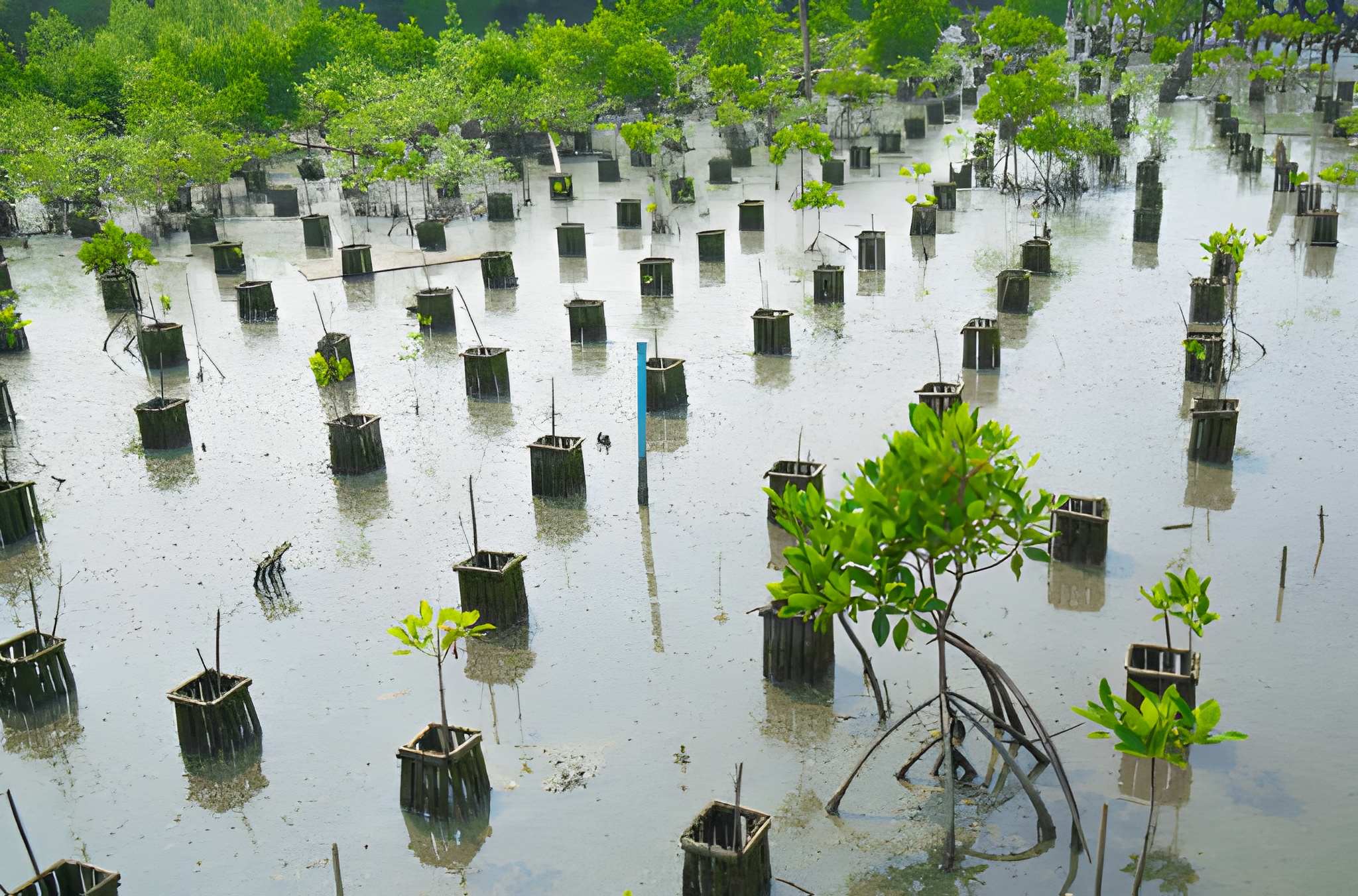 Blue Carbon
Mangrove and coastal ecosystem restoration with high co‑benefits.
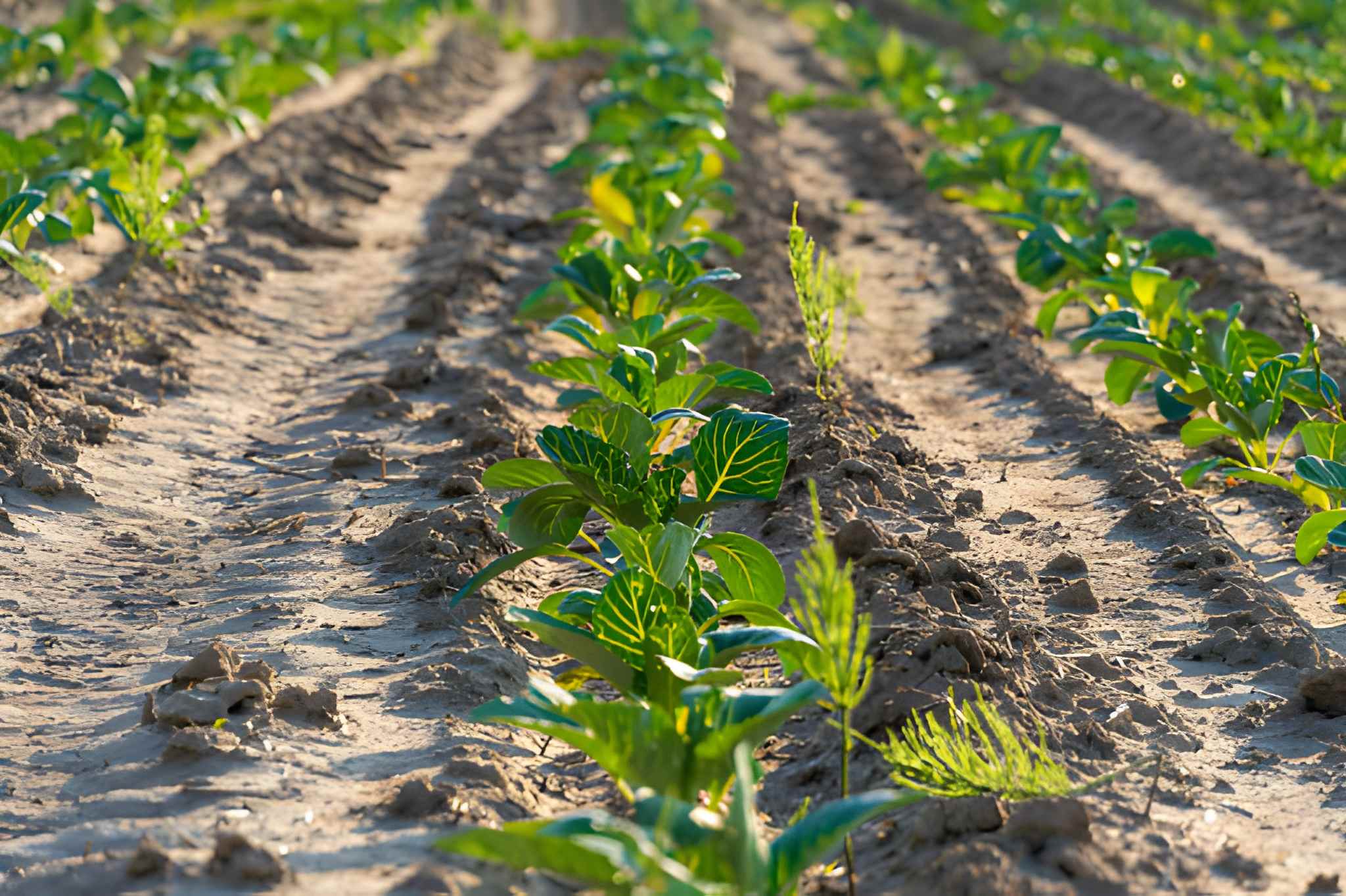 Agricultural Carbon
Regenerative agriculture practices that increase soil carbon and reduce emissions.
A comprehensive comparison of our four core programme types across key investment and development criteria.
| Programme | Suitable Landscapes | Revenue Range | Certification | Timeline |
|---|---|---|---|---|
| Avoided Deforestation | Tropical & Sub‑tropical Forests | $15 – $25 / tCO₂e | VCS CCB ART TREES | 2 – 3 years |
| Reforestation & Restoration | Degraded Forest Reserves, Agricultural Mosaics | $12 – $20 / tCO₂e | VCS Gold Standard | 3 – 5 years |
| Blue Carbon | Mangroves, Estuaries, Delta Regions | $18 – $30 / tCO₂e | VCS CCB Gold Standard | 2 – 4 years |
| Agricultural Carbon | Croplands, Pastures, Rice Paddies | $10 – $18 / tCO₂e | VCS Gold Standard | 1 – 3 years |
Common questions about our carbon programme portfolio, investment criteria, and development timelines.
Blue Carbon programmes typically offer the highest revenue range ($18–30/tCO₂e) due to their exceptional co‑benefits and growing demand in voluntary carbon markets. However, returns vary based on project scale, location, and methodology.
Timelines range from 1–5 years depending on the programme type. Agricultural Carbon can generate credits in 1–3 years, while Reforestation projects typically take 3–5 years to reach full issuance capacity.
All programmes are developed to meet the highest international standards, including VCS (Verified Carbon Standard), CCB (Climate, Community & Biodiversity), Gold Standard, and ART TREES for jurisdictional REDD+ programmes.
Yes, many states opt for a diversified portfolio that combines Avoided Deforestation with Reforestation and Agricultural Carbon to spread risk and maximise land‑use efficiency across different ecological zones.
Avoided Deforestation is ideal for tropical forests with high carbon stocks. Reforestation suits degraded lands and agricultural mosaics. Blue Carbon focuses on mangroves and coastal zones. Agricultural Carbon is designed for croplands, pastures, and rice paddies.
Let's discuss which programme types best match your land assets, policy environment, and economic development goals.